Environmental

Environmental

EU’s Soil Monitoring Law: Paving the Way to Healthy Soils by 2050

The European Union is taking a significant leap towards soil health with its recent soil monitoring law. This legislation, endorsed by the Council, mandates obligatory soil health monitoring and provides guiding principles for sustainable soil management. It also addresses soil contamination that poses unacceptable health and environmental risks. Key Highlights


Read More »
Environmental

Nature Restoration Law Receives Final Approval from EU Council

The Council of the European Union has formally adopted the first-ever regulation on nature restoration. This groundbreaking law aims to restore at least 20% of the EU’s land and sea areas by 2030 and all ecosystems in need of restoration by 2050. The law sets legally binding targets and obligations

Read More »
Environmental

Nature-Based Solutions: A Path to Sustainable Progress

In the quest for sustainable development, the concept of nature-based solutions (NbS) has emerged as a pivotal approach. But what exactly are nature-based solutions? And how can they revolutionize our efforts to achieve environmental sustainability? This article delves into the essence of NbS, illustrating their potential to foster a harmonious

Read More »
Environmental

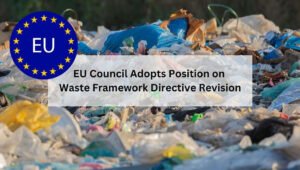
EU Council Adopts Position on Waste Framework Directive Revision

The Council of the EU has taken a significant step forward by adopting a general approach on the targeted revision of the Waste Framework Directive. This revision, which focuses primarily on food and textile waste, aims to address some of the most pressing environmental issues in these sectors. Key Takeaways

Read More »
Environmental

Scope 3 Emissions: Overcoming Challenges and Implementing Effective Reporting Strategies

Scope 3 emissions, representing indirect greenhouse gas (GHG) emissions throughout a company’s value chain, present significant challenges for measurement and reporting. These emissions, which are neither produced directly by the company nor from the energy it purchases (covered under Scope 1 and Scope 2 respectively), are increasingly crucial to address

Read More »
Environmental

Carbon Colonialism: Green Ventures, Grey Ethics?

What is Carbon Colonialism? Carbon colonialism is a term used to describe the practice of wealthy countries outsourcing their carbon emissions to poorer countries, often through the export of dirty industry and waste. This practice has significant implications for the environment and local communities, as it perpetuates global inequalities and

Read More »

Subscribe to Our Newsletter

© 2025 ESGVoices

ESGVoices
Privacy Overview

This website uses cookies so that we can provide you with the best user experience possible. Cookie information is stored in your browser and performs functions such as recognising you when you return to our website and helping our team to understand which sections of the website you find most interesting and useful.